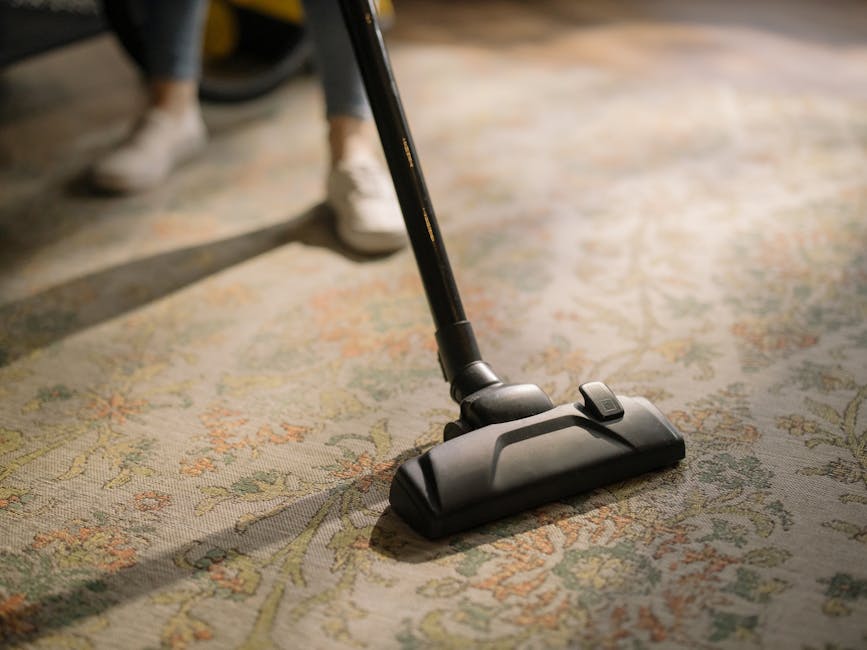
Oakleigh Park rug cleaning near Oakleigh Park station: a practical guide for cleaner, longer-lasting rugs
If you are looking for Oakleigh Park rug cleaning near Oakleigh Park station, chances are your rug has seen a bit of real life lately. Spills happen. Mud gets carried in on a wet afternoon. Pets leave their mark, children do what children do, and dust settles faster than most of us would like. The good news is that a proper rug clean can make a surprising difference, not just to appearance but to smell, texture, and how long the rug lasts.
This guide walks through what local rug cleaning involves, why location matters, how the process usually works, and what to look for before you book. You will also find practical tips, common mistakes to avoid, and a plain-English comparison of cleaning options. If your rug sits in a busy hallway, a family living room, or a flat close to the station where foot traffic is constant, this should help you make a better decision. Let's face it, a rug is often more than decor. It catches everything.
Why Oakleigh Park rug cleaning near Oakleigh Park station Matters
Rugs work hard in ways people often forget. In a home near a station, entrance paths, stair landings, and lounge areas tend to collect grit, moisture, and everyday wear. That grit is not just cosmetic. It can dull the fibres, flatten the pile, and make even a good-quality rug look tired before its time.
Professional or specialist rug cleaning is especially useful when the rug is handmade, wool-rich, antique, delicate, or simply expensive enough that you do not want to test your luck with a bucket and a sponge. A station-adjacent location adds another layer too. People are coming and going, shoes bring in fine dirt, and the local environment can mean more airborne dust than you might expect. A thorough clean helps reset the rug rather than just tidy the surface.
There is also the comfort factor. A clean rug changes the feel of a room. It can make a hallway feel fresher, a reception area look cared for, or a sitting room feel less stale on a damp winter evening. You notice it immediately, even if you cannot quite put your finger on why.
If you are already thinking beyond rugs, services like carpet cleaning or deep cleaning may also make sense for the rest of the property. A coordinated clean often gives the best overall result, especially where rugs sit on top of carpet or in rooms that need a proper refresh.
How Oakleigh Park rug cleaning near Oakleigh Park station Works
Good rug cleaning starts with inspection, not chemicals. That sounds obvious, but it is where a lot of poor results begin. A trained cleaner will usually identify the fibre type, dye stability, construction, backing, and any stains or weak areas before choosing a method. Wool, synthetic, viscose, cotton, silk blends, and hand-knotted rugs all respond differently.
For many rugs, the process includes several stages: dry soil removal, pre-treatment for spots, controlled washing or low-moisture cleaning, extraction or rinsing, and careful drying. The exact method depends on the rug. A sturdy synthetic rug might handle a more robust wet clean, while a sensitive natural fibre needs a gentler approach and much more caution. Nobody wants colour bleed where there was once a pattern.
In practical terms, a cleaner may test a small hidden area first, especially on dyed or patterned rugs. That test is not overcautious; it is how you avoid turning one stain into a much bigger issue. After cleaning, the rug should be dried thoroughly and, where needed, groomed or brushed so the pile settles neatly.
For related cleaning work in the home, it can help to think of rug care as part of a wider fabric-care routine. A specialist upholstery cleaning service, for example, may be useful if sofas and chairs have picked up the same dust and everyday grime as the rug. Same story, different textile.
Key Benefits and Practical Advantages
The most obvious benefit is appearance, but that is only the start. A properly cleaned rug can also feel softer, smell fresher, and sit more evenly underfoot. If a rug has absorbed cooking odours, pet smells, or that faint damp note that sometimes appears in older homes, a professional clean can make a dramatic difference.
Here are the benefits that matter most in real life:
- Longer rug life: removing grit and embedded dirt helps protect the fibres from gradual wear.
- Better indoor freshness: dust, odours, and residue are reduced rather than masked.
- Improved presentation: useful for homes, rentals, and small businesses near the station.
- More suitable stain treatment: different stains need different solutions, not one household spray for everything.
- Safer drying and handling: less risk of overwetting, shrinking, or damaging the backing.
Another practical advantage is time. A rug may look like a small job, but once you start lifting it, checking the backing, mixing solutions, and waiting for proper drying, the task becomes a bit of a faff. Professional cleaning removes that stress and, to be fair, often produces a better result than DIY approaches.
Expert summary: the best rug cleaning is not the most aggressive one; it is the one matched to the rug's fibre, dye, construction, and condition. That judgement is what protects the item while restoring it.
Who This Is For and When It Makes Sense
This service makes sense for a wide mix of people. Homeowners often book rug cleaning after a spill, before guests arrive, or as part of a spring refresh. Landlords and tenants may need a rug brought back to a sensible standard between occupancies, especially where the rug is included in a furnished rental. Small offices, waiting rooms, and boutique spaces near Oakleigh Park station may also need regular cleaning to keep the place feeling professional.
You might especially want specialist help if:
- the rug is wool, silk, viscose, or another delicate fibre
- the rug has a persistent stain or smell
- the pile looks flattened or patchy
- the colours are bright and you worry about bleeding
- the rug has sentimental or high monetary value
- there are pets, children, or heavy footfall in the property
If your rug is cheap, machine-made, and easy to replace, you might choose a simpler clean or even replace it. But if it anchors the room, or the cost of replacement would be painful, proper cleaning is usually the smarter route. Honestly, that trade-off is where many people have a small lightbulb moment.
Step-by-Step Guidance
If you are trying to understand what a professional rug cleaning visit should look like, here is a straightforward outline. It is not glamorous, but it is useful.
- Initial inspection: the cleaner identifies material, construction, stains, fading, and wear.
- Dust removal: loose soil is removed first, usually before any wet treatment. This matters more than people think.
- Test cleaning: a discreet patch may be tested for colourfastness or reaction.
- Pre-treatment: specific marks, traffic lanes, and odours are treated separately.
- Main clean: the rug is washed or cleaned using the safest suitable method.
- Rinse or extraction: residues are removed to avoid sticky build-up that attracts more dirt later.
- Drying: the rug is dried in a controlled way, with attention to airflow and pile condition.
- Final check: any remaining issues are reviewed and the rug is prepared for return or reinstallation.
A simple example: a hallway runner with tracked-in grit and a coffee mark might need dust removal, spot work, and a careful wet clean. A living room rug with a smell problem may need deeper deodorising and slower drying. Two rugs, two different plans. That flexibility is the whole point.
Expert Tips for Better Results
There are a few things that make a real difference, and they are easy to overlook. First, vacuum before the rug is collected or treated, unless the cleaner advises otherwise. That sounds basic, but it helps reduce surface dust and makes the job more effective. Second, tell the cleaner about any past cleaning attempts. If you used a stain remover three months ago and forgot about it, say so. Hidden chemicals can react badly with later treatment.
Third, photograph the rug beforehand. You do not need to be precious about it, just practical. A quick photo gives you a record of colour, pattern, and condition. If there is a fringe or border issue, capture that too. It saves confusion later.
Fourth, think about placement after cleaning. A rug placed straight back onto a damp floor, or under a heavy table too soon, may not dry evenly. And that, as you can imagine, is a bit annoying. Allowing proper airflow matters. If the room is already humid, open windows when appropriate or use ventilation sensibly.
Finally, if your rug sits near the doorway, consider whether a mat or shoe habit change could reduce future wear. Small change, big payoff. Not exciting, perhaps, but effective.
For households where rug care is part of a broader tidy-up, one-off cleaning can be a practical way to handle several jobs together without committing to an ongoing schedule. Useful before moving, after hosting, or after a long messy season.
Common Mistakes to Avoid
The biggest mistake is treating all rugs like tough carpet. They are not the same thing. A rug may have dyes, backing, glues, or fibres that react badly to too much moisture or heat. Another common mistake is scrubbing stain spots aggressively. That often pushes the mark deeper or spreads it out. Very satisfying in the moment, very frustrating afterwards.
People also get caught out by using strong supermarket cleaners without checking compatibility. The product may be fine for a kitchen floor and hopeless for a wool rug. Likewise, overwetting is a classic issue. If the rug dries slowly, it can develop distortion, a musty smell, or edge problems. No one wants that.
Here are a few other errors worth avoiding:
- skipping a proper fibre check
- not testing for colourfastness
- ignoring the rug backing and fringe
- returning the rug to service too early
- assuming one stain remover solves everything
Truth be told, many of these issues are avoidable with patience. The job is not just cleaning; it is preservation.
Tools, Resources and Recommendations
You do not need a cupboard full of gadgets, but the right tools help. A good vacuum with adjustable settings is a start. For delicate rugs, a low-suction or brush-appropriate setting is usually safer than a brute-force pass. Soft cloths, blotting towels, and plain water can also be more useful than people expect for immediate spill control.
For professional work, rug cleaning may involve specialist dusting equipment, fibre-safe detergents, controlled rinsing systems, and drying support. The exact kit matters less than how it is used. A powerful machine in the wrong hands can do more harm than good, and that is the honest version.
If you are comparing providers, it helps to look beyond the promise of a quick turnaround. Ask how they handle wool rugs, whether they inspect before cleaning, and what happens if a stain is not removable. You should also check how they talk about drying times and aftercare. Good providers tend to explain the limits as clearly as the benefits.
When a property needs broader cleaning support, the same company may also offer services such as sofa cleaning, window cleaning, or domestic cleaning. That can be handy if you want the whole home to feel sorted rather than just one item.
Law, Compliance, Standards, or Best Practice
Rug cleaning is not heavily regulated in the way some trades are, but good practice still matters. At a minimum, a cleaning business should handle chemicals safely, avoid misleading claims, and work in a way that protects the customer's property. In the UK, that generally means sensible chemical storage, clear communication about risks, and care with wet work around flooring and electrics.
Insurance is another practical issue. If a rug is valuable, damaged goods should be handled by a business that understands liability and has appropriate cover. It is reasonable to ask about insurance and what happens if a cleaning process causes harm. A trustworthy company should not dodge the question. They should answer clearly, without the usual waffle.
Best practice also includes honest pre-inspection, realistic expectations, and careful record-keeping when a rug has existing wear. If a fringe is already frayed or a dye is already unstable, that should be noted before work begins. That way, everyone knows what is possible and what is not.
For a broader view of how a business approaches care and safety, you can review pages such as insurance and safety, health and safety policy, and terms and conditions. Those pages do not clean a rug, obviously, but they do help you understand how the service is run.
Options, Methods, or Comparison Table
Not every rug needs the same approach. The right method depends on fibre type, level of soiling, and the condition of the rug. Here is a simple comparison to help with decision-making.
| Method | Best for | Strengths | Watch-outs |
|---|---|---|---|
| Basic vacuum and spot care | Light soil, fresh spills, low-value rugs | Quick, low cost, easy to maintain | Does not remove deep dirt or old odours |
| Low-moisture or gentle surface clean | Delicate fibres, lightly soiled rugs | Lower drying time, less risk of overwetting | May not fully shift stubborn stains |
| Full specialist wash | Heavier soiling, pets, traffic lanes, odours | Deeper restoration, better for embedded dirt | Needs careful drying and correct handling |
| Hand-cleaned or fibre-specific treatment | Antique, handmade, silk, or high-value rugs | Tailored approach, better protection for delicate items | Usually slower and more expensive |
For a lot of households near the station, the best route is a specialist assessment rather than guessing. That is especially true if the rug was expensive or has emotional value. A family heirloom and a mass-produced hallway rug should not be treated the same. It just makes sense.
Case Study or Real-World Example
Picture a typical flat close to Oakleigh Park station. The rug sits in the living room and catches everything from shoes by the door to crumbs from tea and toast in the morning. Over time, it starts to look a little flat in the centre and slightly dull around the edges. There is also a faint smell after a rainy week. Nothing dramatic, just enough to annoy you every time you sit down.
A proper clean would begin with identification: is the rug wool, synthetic, or a blend? Does it have a latex backing? Are the colours stable? After that, the cleaner would remove dry soil, treat the centre traffic lane, and address the smell with a method suited to the fibre. Once cleaned and dried correctly, the rug would usually regain some brightness and feel more even underfoot.
What stands out in this kind of job is not magic. It is the accumulation of small, careful steps. The rug probably will not look brand new if it is old or worn, and anyone promising that is overselling. But it can look fresher, cleaner, and better aligned with the rest of the room. That matters in everyday life.
And yes, the first thing people often say is, "I forgot how good this rug could look." Happens more than you might think.
Practical Checklist
Use this checklist before arranging rug cleaning or handing a rug over for treatment:
- Identify the rug material if you can
- Note any stains, smells, or wear spots
- Take a few photos in good light
- Ask whether the rug is suitable for the proposed method
- Check whether fringes, dyes, or backings need special care
- Ask how long drying is likely to take
- Confirm whether the rug will be cleaned on-site or off-site
- Clarify what happens if a stain does not fully lift
- Make sure there is a sensible plan for reinstallation or return
- Keep pets and foot traffic away until the rug is properly dry
If you can tick most of those boxes, you are already ahead of the game. Seriously, a little preparation avoids a lot of awkwardness later.
Conclusion
Oakleigh Park rug cleaning near Oakleigh Park station is about more than a tidy finish. It is about protecting something that adds comfort, character, and warmth to a room. Whether your rug is a practical hallway piece or a treasured centrepiece, the right cleaning approach can preserve it for longer and make the whole space feel better to live in.
The main things to remember are simple: know the fibre, choose the right method, avoid rough DIY treatment, and give the rug enough time to dry properly. If you are unsure, ask questions. Good cleaners expect that. In fact, they should welcome it.
For people balancing busy routines, damp weather, and all the usual household mess, a thoughtful rug clean can be one of those small jobs that makes a bigger difference than you expected. Quietly satisfying, really.
Get a free quote today and see how much you can save.
And if you are comparing services for a fuller refresh, it may also help to explore rug cleaning, carpet cleaning, or about us to understand the approach behind the work. A well-cared-for home has a calmer feel to it, simple as that.
Frequently Asked Questions
How often should I book rug cleaning near Oakleigh Park station?
That depends on foot traffic, pets, and whether the rug sits in a hallway or main living space. For busy homes, a deeper clean every 12 to 24 months is a common practical range, though lighter-use rugs may need less frequent attention.
Can all rug types be wet cleaned?
No. Some rugs, especially delicate wool, silk, viscose, or antique pieces, need a gentler or more controlled method. A proper inspection is the safest way to decide, rather than assuming wet cleaning will suit everything.
What is the difference between rug cleaning and carpet cleaning?
Rug cleaning is usually more controlled because rugs can be moved, flipped, and treated according to their fibres and backing. Carpet cleaning is often done in place and may involve different tools, drying expectations, and stain strategies.
Will cleaning remove old stains completely?
Not always. Some stains have set into the fibres, reacted with previous cleaners, or caused permanent dye changes. A good cleaner should explain what is likely to improve and what may only partially lift. Honesty beats overpromising every time.
How long does a rug take to dry?
Drying time varies by fibre, method, room temperature, humidity, and airflow. A small synthetic rug may dry relatively quickly, while a thicker or natural-fibre rug can take longer. It is best not to rush it back into use.
Is it safe to clean a wool rug at home?
Light maintenance like vacuuming and careful spot blotting is usually fine, but deeper cleaning is riskier. Wool can shrink, felt, or lose dye if treated badly, so specialist advice is usually the safer option for valuable pieces.
Can rug cleaning help with pet odours?
Yes, often it can. Pet smells can get trapped in the pile and backing, so a proper wash or deodorising treatment can make a noticeable difference. Results depend on how deep the odour has penetrated.
Do I need to move furniture before the cleaning visit?
Sometimes, yes, especially if the rug is underneath larger pieces. It is worth asking in advance. A cleaner may be able to work around some items, but the safest setup usually gives them clear access to the full rug.
What should I tell the cleaner before they start?
Share the rug's material if known, the age if relevant, any stains, any previous treatments, and whether it has ever bled colour. That information helps them avoid avoidable mistakes and choose the right process first time.
Is off-site rug cleaning better than on-site cleaning?
Neither is always better. Off-site cleaning can offer more control for delicate or heavily soiled rugs, while on-site cleaning is convenient and suitable for many routine jobs. The right choice depends on the rug and the problem you are trying to solve.
How much does rug cleaning cost near Oakleigh Park station?
Prices usually vary by size, fibre, condition, stains, and the method required. A small simple rug is typically easier to quote than a large handmade one. For an accurate figure, a tailored estimate is usually the fairest approach.
What if my rug has already been cleaned badly before?
That happens more often than people admit. If a rug has been over-wet, spot-treated, or damaged by a previous attempt, tell the cleaner before work begins. It may still be possible to improve the appearance, but the method will need to be chosen carefully.