Carpet Cleaning in N2 for fresher, better-kept flooring

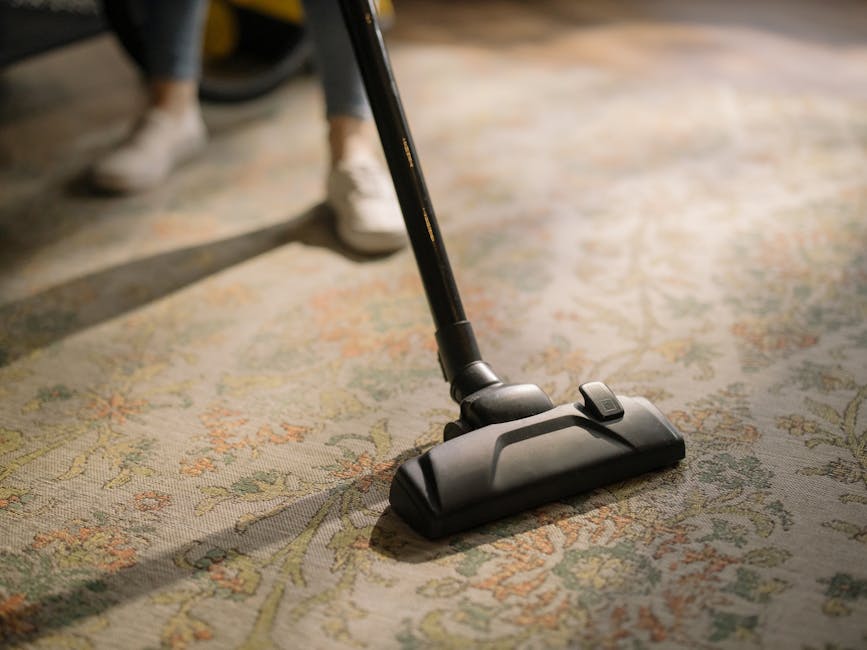
Our carpet cleaning in N2 focuses on restoring the look, feel and everyday use of fitted carpets and loose rugs through careful, practical cleaning methods. Whether the fibres need a routine refresh or a deeper treatment after heavy footfall, we work with the material in mind so the result is thorough without being over-wet or unnecessarily abrasive. The aim is simple: cleaner fibres, improved presentation and a carpet that is easier to maintain between visits.
We handle carpets in homes, small workplaces and shared properties, with attention to fibre type, pile condition and the areas that take the most wear. Different carpets need different approaches, so our service is built around inspection, suitable cleaning solutions and controlled extraction rather than a one-size-fits-all process. If you are comparing options for carpet cleaning in N2, this page explains the kind of work we carry out and how to request a quotation.
For a straightforward start, look at the main service details and then ask us for a quote when you are ready. If your carpets also need related care, we can discuss those alongside the main clean.
How our carpet cleaning service works
Every job begins with a practical assessment of the carpet surface, the construction of the fibres and any visible soiling patterns. That matters because a dense wool blend, a synthetic twist pile and a low-profile commercial carpet all respond differently to moisture, agitation and cleaning chemistry. We aim to loosen embedded dirt, lift everyday marking and treat traffic lanes in a way that supports the carpet rather than stressing it. Where possible, we focus on the most affected sections first so the work remains efficient and even.
In normal use, carpets gather dry soil, dust, skin particles and tracked-in debris that sit below the surface and make the pile look dull. A proper clean addresses that build-up rather than simply freshening the top layer. Depending on the condition of the flooring, the service may include pre-treatment of marks, targeted work on edges and thorough extraction to remove residues. That helps the carpet look cleaner for longer and reduces the sticky feeling that can follow a poor-quality wash.
For rooms that see regular use, we often pay particular attention to walkways, thresholds and seating areas, because those are the places where pile flattening and shading are usually most noticeable. If a carpet has localised stains, we can discuss suitable treatment options, though not every mark will respond in the same way. The best result usually comes from choosing the method to match the fabric, the age of the carpet and the nature of the soiling.
Carpet treatments for homes and shared interiors

Households often want carpet cleaning that is careful enough for living rooms, bedrooms, stairs and landings without interrupting daily routines more than necessary. We can work around the layout of a property and the carpet’s condition, using practical methods that support family spaces, rental properties and rooms used by guests. If a property contains a mix of newer and older flooring, we can discuss each area separately so the approach suits the carpet that needs attention most.
Shared entrances, hallways and other communal spaces tend to show wear in narrow lanes, so those carpets often need a different emphasis from softer domestic areas. Where there is recurring dirt from frequent use, a deeper clean can help restore a more presentable surface and reduce the dull, tired look that develops over time. In flats, maisonettes and managed buildings, it is often useful to plan the work around access and drying conditions so the clean fits the building’s routine.
If you are arranging several carpeted rooms at once, it helps to think about which spaces need the most visible improvement first and which can wait for a lighter refresh. That makes the quotation process clearer and allows the service to be matched to the flooring rather than treated as a generic appointment. A concise enquiry is enough to begin. Ask for a quotation when you know what needs cleaning.
Stain treatment, traffic lanes and fibre care
Some carpets need more than a general clean because the main concern is staining, not overall dullness. Food spills, drink marks, muddy tracks and pet-related patches can settle into the pile in different ways, so the treatment has to suit the source of the stain as well as the carpet material. We use sensible, controlled methods and avoid suggesting that every blemish can be removed completely, because fibre type, dwell time and previous cleaning attempts all affect the outcome.
Traffic lanes are another common issue, especially in homes where people repeatedly cross the same route. These areas often appear darker because dust and fine soil are driven deeper into the carpet. A careful treatment can improve the appearance of those paths and help the whole room look more balanced. In some cases, a two-stage process works best: first to loosen the build-up, then to lift it away so the carpet dries in a more even condition.
Fibre care is especially important where carpets are softer, lighter in colour or made from materials that prefer gentle handling. Too much water or the wrong product can cause problems, so the work should always be matched to the carpet rather than a rigid routine. We keep that in mind across all kinds of rooms, from ordinary domestic flooring to more heavily used spaces where appearance and durability both matter. Suitable treatment is as important as the clean itself.
Useful details that help us quote accurately
For a practical quotation, the most useful information is usually the carpeted room count, the approximate size of the areas and whether there are stains or heavy wear that need extra attention. You do not need to write an essay; a clear description of the rooms and the condition is normally enough. If you know the fibre type or the carpet is especially delicate, mentioning that can help us suggest the right approach from the start.
Deep cleaning options for more neglected carpets
Some carpets are best treated as a deeper clean rather than a quick freshen-up. That may be the case after a long period without maintenance, after repeated spillages or when a room has become visibly tired and compacted. In those situations, the service needs to do more than improve the surface; it should address the build-up within the pile and give the carpet a more even, usable finish. The exact approach depends on the material and the level of soiling.
A deeper carpet clean can be useful where normal vacuuming is no longer enough to lift the dust that sits close to the base of the fibres. It may also suit areas that have gathered a noticeable smell from everyday use, although the source of the odour matters and should be considered honestly. We do not promise miracles, but a considered clean can make a substantial difference to how a room looks and feels. The goal is to leave the carpet better presented and easier to live with.
Where several rooms are affected, it can be sensible to prioritise the spaces that influence the whole property first, such as hallways, stairs and main living rooms. Those are usually the places where visitors notice condition most quickly, and where wear becomes visible sooner. If you are unsure whether you need a standard clean or a deeper treatment, a brief description of the carpet’s condition is enough to start the conversation. Send a clear enquiry and we can guide the next step.
Rugs, upholstery and related interior cleaning
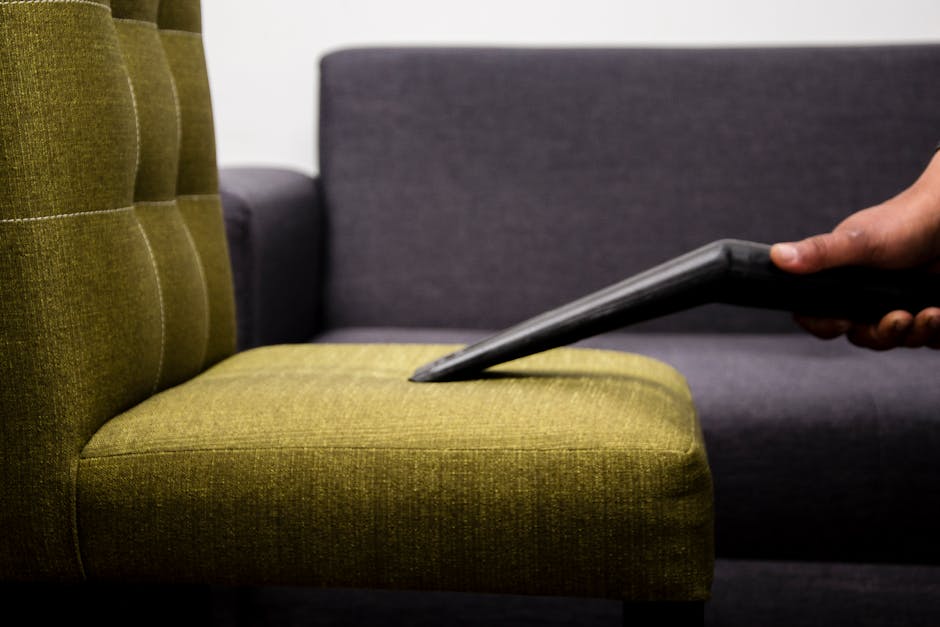
Although carpet cleaning is the main service here, many customers also want related fabric care for rugs, sofas and other upholstered items. These surfaces share some cleaning principles with carpets, but they are not identical, so each one needs the right product strength, moisture level and handling method. A rug may need attention to dyes and backing, while a sofa often needs a more cautious approach around seams, cushions and trim. We can discuss the most suitable method for each item rather than treating everything as interchangeable.
Rug cleaning is particularly useful where a piece contributes to the room’s look and needs to stay presentable without losing its texture or colour balance. Upholstery care can be equally important when seating has absorbed everyday use and started to look flattened or marked. If several items need attention at once, a coordinated clean can be planned so the work is organised efficiently. That said, each material still deserves its own treatment plan, because the wrong process can do more harm than good.
In many properties, these services work best when considered together as part of the same interior refresh. A clean carpet with tired seating can still make a room feel incomplete, while fresh upholstery in a room with marked flooring can leave the overall finish uneven. If you are weighing up what to include, a simple list of the items usually provides enough detail for a useful quotation. Keep it clear and practical, and we can respond accordingly.
Preparing rooms and understanding the quotation
A good carpet cleaning quotation depends on a few straightforward details. The most useful are the number of rooms or areas, whether the carpet is fitted or loose, and whether there are specific problems such as stains, pet wear or heavy soiling in the traffic paths. If access is awkward, or if a room contains delicate furniture that needs to be worked around, that is worth mentioning as well. Clear information helps the price reflect the actual work rather than a rough guess.
Before the visit, it is often helpful to clear away light items, ornaments and small pieces of furniture so the carpet is easier to reach. Heavy furniture can be discussed separately, because not every item needs to be moved in the same way. Vacuuming beforehand is sometimes sensible, but the main thing is to give a fair picture of the condition. If photographs are available, they can help with a remote quotation, yet they are not the only way to explain what needs doing.
There is no need to overcomplicate the enquiry. A short message with the room count, material type if known and any special concerns will usually be enough to begin. From there, the quotation can be tailored to the work involved rather than based on a generic estimate. If you already know the areas you want cleaned, request a quotation and we will take it from there.
Payment, access and scheduling practicalities
Practical arrangements matter because they keep the clean orderly and reduce avoidable delays. Access to the property, a clear route to the rooms and enough space to work around the carpet all help the job run smoothly. If a building has limited parking, controlled entry or any other access consideration, mentioning it in advance allows the appointment to be planned properly. That is especially useful in shared buildings and busy streets where timing can affect convenience.
Scheduling also becomes simpler when the main areas and any optional extras are set out early. If the carpet clean is part of a larger interior refresh, it is worth deciding which items should be handled first so the rooms can be used again in a sensible order. Payment arrangements, if relevant, are best agreed in the same practical way: clear, simple and without unnecessary back-and-forth. None of this changes the cleaning itself, but it does help the service feel organised.
When the work is complete, carpets should be left to dry naturally in a well-ventilated room whenever possible. Drying time depends on material, humidity, airflow and the amount of cleaning required, so it is better to plan the day around the condition of the carpet rather than a fixed assumption. If you have rooms that need to be back in use by a certain time, say so at the start. Good planning makes the clean easier to manage.
About N2
N2 is the postal district centred on East Finchley in the London Borough of Barnet, and it is closely associated with a part of north London where residential streets, transport links and green open spaces sit alongside everyday local services. The area takes in a varied urban landscape rather than a single uniform centre, and it is shaped by both its hillside topography and its position on long-established routes through north London. The Northern line station at East Finchley has made the district well connected for many years, while the surrounding streets retain a strong neighbourhood character with terraces, detached homes and interwar housing mixed together across the district. The famous archer statue over East Finchley station has become one of the most recognisable features of the area, giving the station frontage a distinctive identity that many Londoners immediately associate with N2. Nearby Cherry Tree Wood provides a much-valued patch of open green space, with mature trees, paths and informal recreation space that give the district a softer edge than its busy roads might suggest. Highgate Wood, just to the west of the wider district, adds to the sense of a place where pockets of woodland remain important to everyday life in inner and outer north London. History is visible in the street pattern as well as in surviving architecture: older villas, 20th-century housing and later infill development all sit within the same general area, showing how the district has evolved over time without losing its residential focus. Local worship, schooling, small retail frontages and community use of parks all contribute to a settled but active character. Taken together, these features make N2 feel like a part of London where ordinary domestic life, travel and green space are closely interwoven.
Choosing the right level of cleaning for your carpet
Not every carpet needs the same level of intervention, so choosing the right service matters. A lightly used bedroom carpet may only need a modest refresh, while a hallway or through-route may benefit from deeper attention to the traffic lanes. A family room with recurring spillages can call for more detailed stain treatment, and a loose rug may need a gentler process altogether. Matching the method to the carpet usually gives a better result than selecting the most aggressive option by default.
If your flooring has been cleaned before, it is useful to know what was done last time and whether anything unusual happened afterwards, such as colour change, lingering damp or rapid re-soiling. That information can help avoid repeating an unsuitable treatment. We also consider the age and condition of the fibres, because older carpets can be less tolerant of strong agitation or excess moisture. The right choice is not simply the strongest clean; it is the one most appropriate to the material and its present state.
When you are comparing options, think about the visible result you want and the practical use of the room once the work is finished. A public-facing or shared area may need a presentable surface first, while a private room may prioritise a careful deep clean and even drying. If you are ready to move ahead, use the information on this page to decide what matters most and then ask for a quotation.
Internal links and related services for larger cleaning plans

If your carpets are part of a wider clean, it can make sense to consider adjoining services alongside them. For properties that need a more substantial refresh, our deep cleaning service is a useful option where general soiling extends beyond the floor coverings. In homes with active kitchens, the oven cleaning page covers a related interior task that often forms part of the same practical housekeeping plan, while domestic cleaning may suit people who want regular help keeping rooms in order.
For softer furnishings, the most relevant pages are sofa cleaning and upholstery cleaning, both of which address fabric items that can affect how a room feels once the carpet has been treated. If you are dealing with floor finishes in different materials, hard floor cleaning and rug cleaning may help you plan a fuller approach without mixing methods that belong to different surfaces. Where you need a one-off visit rather than an ongoing arrangement, one-off cleaning is a relevant place to look.
When you are ready to compare options or discuss the scope of work, the most direct next step is to get in touch. You can review the practical information first and then use the appropriate contact route to begin your quotation request. If you want a clear price for carpet cleaning in N2, contact us and tell us what needs attention.